
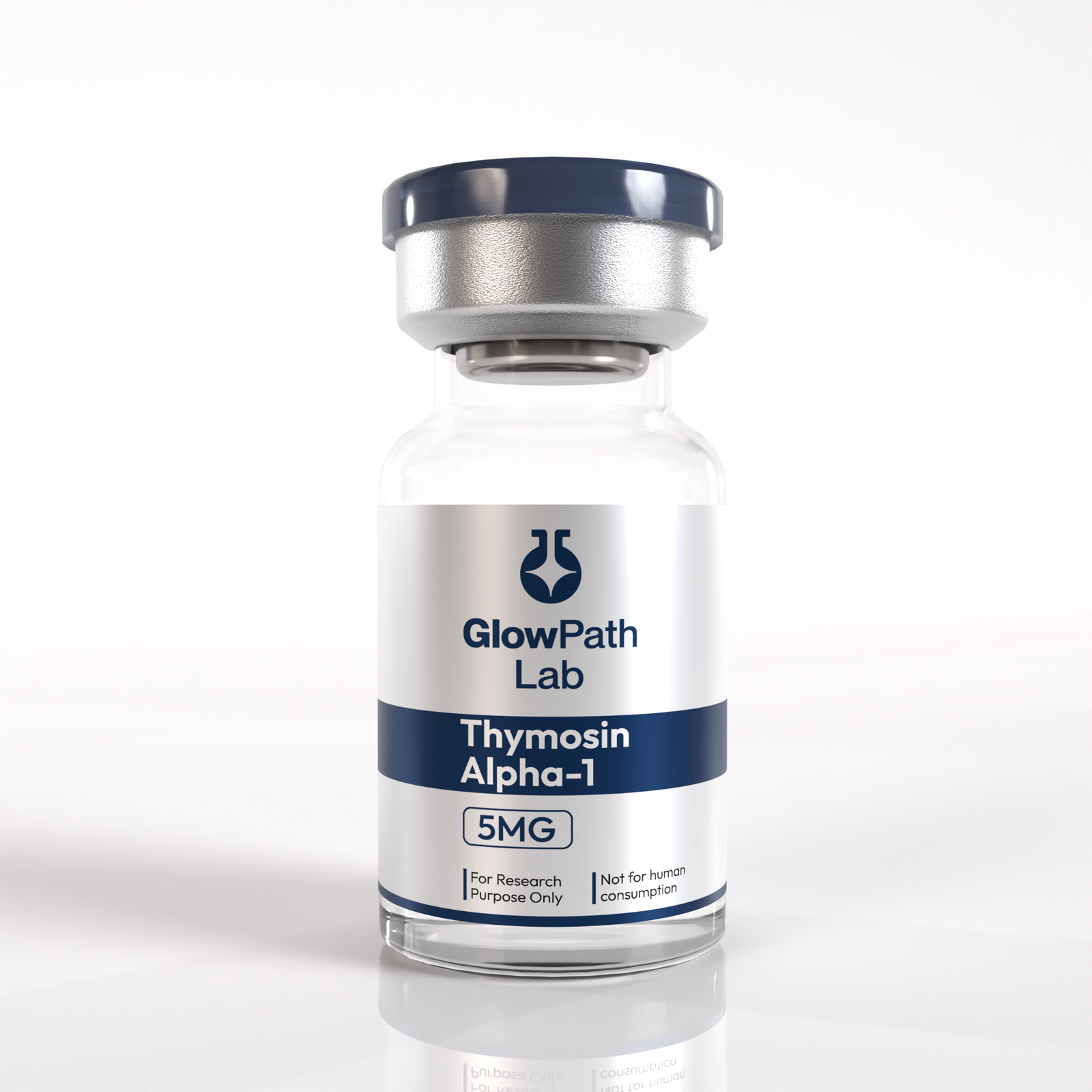
Thymosin Alpha-1
Thymosin Alpha-1 (TA-1) is a synthetic peptide derived from the thymosin alpha-1 protein, a naturally occurring immunomodulatory factor produced by thymus glands in vertebrates. This peptide has been extensively studied in preclinical research for its potential effects on immune response regulation, cellular signaling pathways, and related biological processes.
Research Context
Thymosin Alpha-1 was first isolated in the early 1980s and has since been the subject of numerous scientific investigations. Its primary role in research is often associated with its immunomodulatory properties, particularly in stimulating immune cell functions. Due to its potential to enhance antiviral responses, modulate cytokine activity, and support immune cell proliferation, TA-1 has been explored in various biological and immunological studies.
Research Overview
Thymosin Alpha-1 is predominantly studied in preclinical models, including in vitro cell culture experiments, animal studies, and basic immunological research. Its mechanisms of action often involve interactions with immune receptors, such as toll-like receptors (TLRs) and cytokine signaling pathways, which contribute to its broader role in immune system modulation. Early investigations focused on its potential antiviral effects, particularly against viral infections in experimental settings.
Key Research Focus Areas
- Immunomodulation: Studies have explored TA-1’s ability to enhance the function of natural killer (NK) cells, T-cells, and other immune cells, potentially influencing adaptive and innate immune responses.
- Antiviral Activity: Research has investigated TA-1’s role in modulating antiviral defenses, particularly in the context of viral infections, though its direct antiviral efficacy in humans remains an area of ongoing investigation.
- Cellular Signaling: Investigations have examined TA-1’s impact on intracellular signaling pathways, including those involved in cell cycle regulation and apoptosis, often through interactions with receptor-mediated processes.
- Inflammatory Response Regulation: Some studies have explored TA-1’s potential to modulate inflammatory pathways, particularly in experimental settings involving immune challenges or inflammation models.
- Preclinical Toxicology and Safety: Comprehensive toxicology studies in animals have been conducted to assess potential side effects, dose-dependent responses, and overall safety profiles of TA-1 administration.
Research Use Only
This product is intended solely for research purposes in a controlled academic or institutional setting. It is not intended for human or animal consumption, therapeutic use, or any application outside of approved research protocols. Users must adhere strictly to regulatory guidelines and ethical standards governing its handling, storage, and use.
For research use only. Not for human or animal consumption.
| Size | 10MG, 5MG |
|---|
Reviews
There are no reviews yet.