
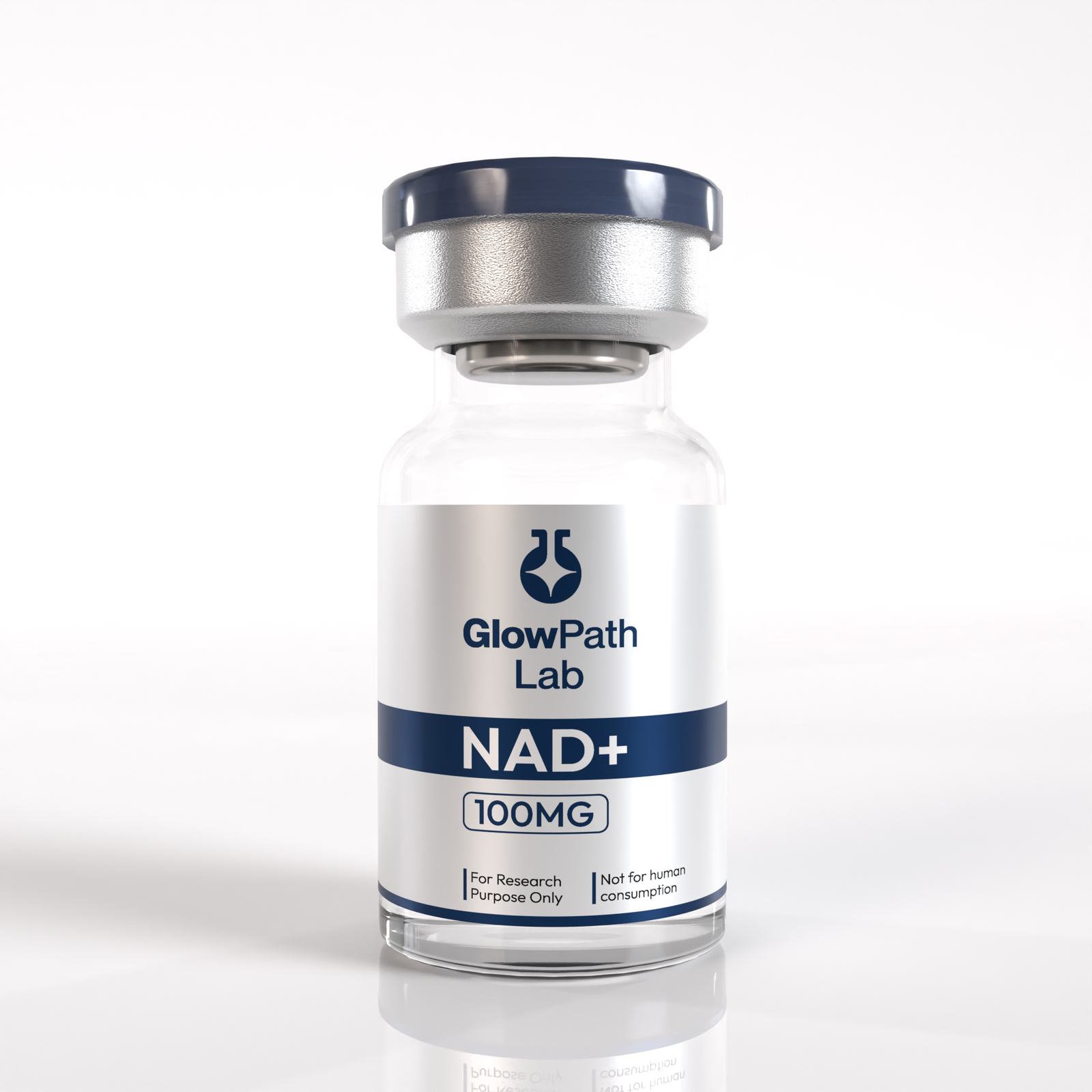
NAD+
Nicotinamide adenine dinucleotide (NAD+) is a critical coenzyme found in all living cells, playing a central role in cellular metabolism and energy production. In research settings, NAD+ and its precursors have been extensively studied for their potential implications in biochemical pathways, cellular aging, and bioenergetics. This product is designed for academic and scientific investigation only.
Research Context
NAD+ serves as an essential coenzyme in redox reactions, facilitating processes such as DNA repair, DNA replication, and gene expression regulation. As levels of NAD+ decline with age, research has explored the role of NAD+ boosting agents—including precursors like nicotinamide riboside (NR), nicotinamide mononucleotide (NMN), and others—in mitigating age-related declines in metabolic efficiency and cellular health. This product is provided for use in controlled research environments where appropriate ethical and safety protocols are in place.
Research Overview
NAD+ metabolism and its precursors have been studied across multiple biological systems, including yeast, mammalian cell cultures, and animal models. Research has highlighted NAD+’s involvement in pathways such as sirtuin activation, PARP1-mediated DNA repair, and mitochondrial function. The availability of synthetic NAD+ compounds enables scientists to investigate its effects on cellular senescence, stress responses, and longevity-associated mechanisms in vitro and in vivo.
Key Research Focus Areas
- Cellular Aging and Longevity: NAD+ has been implicated in the regulation of age-related declines in mitochondrial function and genome integrity, leading to interest in its potential as an intervention in aging research.
- Metabolic and Bioenergetic Studies: NAD+ plays a pivotal role in adenine nucleotide metabolism and ATP production, making it a subject of study in metabolic disease modeling, particularly in high-energy demanding tissues such as muscle and brain.
- Epigenetic Regulation: NAD+-dependent enzymes, such as sirtuins, are involved in epigenetic modifications, influencing gene expression patterns associated with stress response, inflammation, and disease progression.
- Neurobiology and Neurodegeneration: Research has examined NAD+ levels in neuronal cells and animal models of neurodegenerative conditions, exploring its role in neuroprotection and cognitive function.
- Infectious Disease and Immunology: NAD+ dynamics are crucial in immune cell function, and studies have investigated its potential modulatory effects on inflammatory responses and pathogen resistance.
Research-Only Precautions
This product is intended solely for academic, institutional, or industrial research purposes. It is not intended for human or animal consumption, therapeutic use, or diagnostic applications. Users must adhere to strict laboratory protocols, including proper handling, storage, and disposal procedures. Always conduct research within a licensed and regulated facility where appropriate safety measures are implemented.
For research use only. Not for human or animal consumption.
| Size | 1000MG, 100MG, 500MG |
|---|
Reviews
There are no reviews yet.