
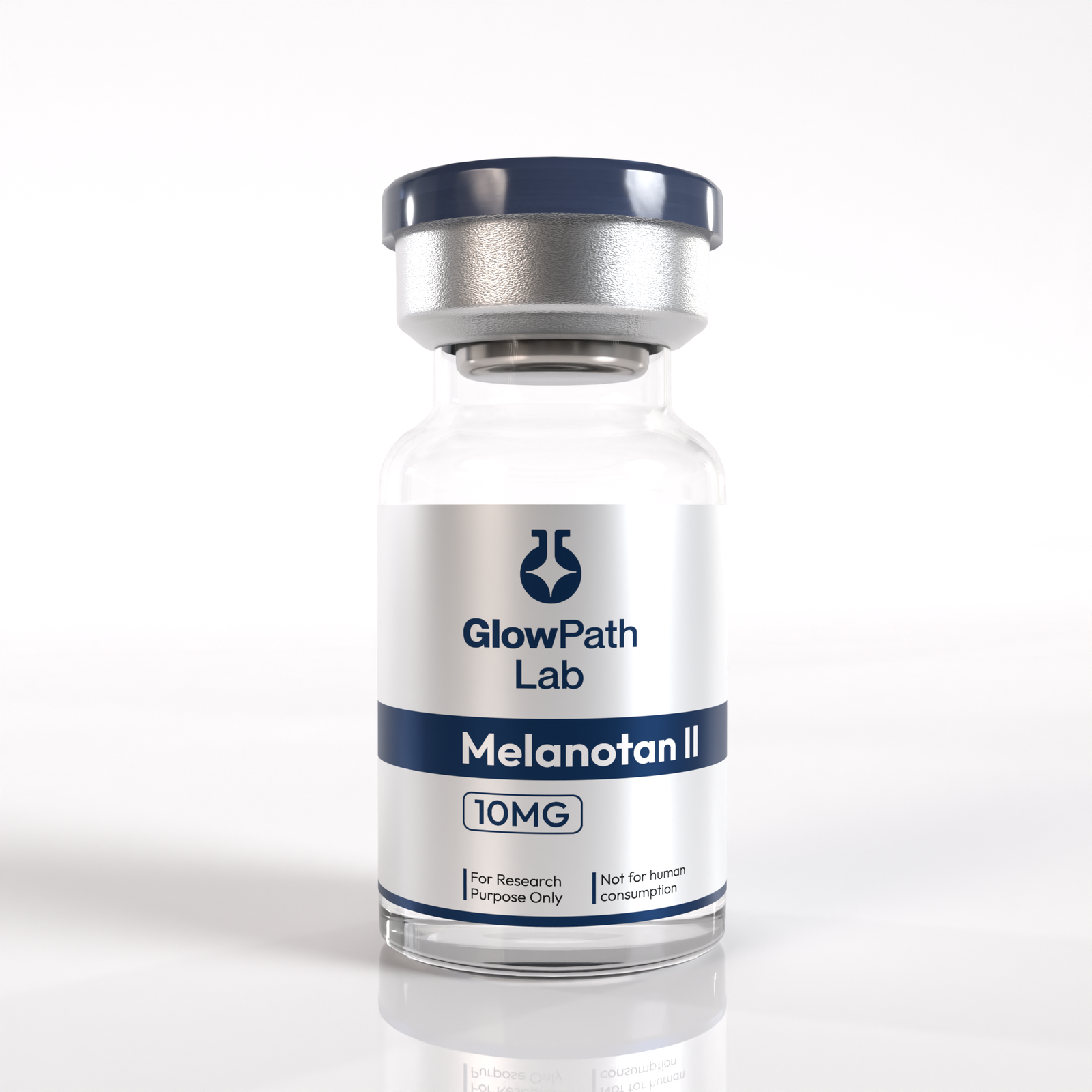
Melanotan II 10MG
Melanotan II (MT-II) is a synthetic peptide derived from the melanocortin system, specifically designed for investigative and academic research applications. This compound plays a role in the study of skin pigmentation, endocrine physiology, and potential neurobiological mechanisms.
Research Context
Melanotan II was first synthesized in the late 1990s and has since been widely utilized in preclinical and laboratory settings. The peptide interacts with melanocortin-1 receptors (MC1R), stimulating melanin production in melanocytes. This action is commonly studied in the context of understanding melanogenesis, skin responses to UV exposure, and related physiological adaptations.
Research Overview
Melanotan II serves as a valuable tool in research for examining the effects of melanocortin signaling on skin color, tanning responses, and potential downstream metabolic or hormonal effects. Its use is typically limited to controlled experimental environments under the supervision of qualified researchers in academic or industrial research facilities.
Key Research Focus Areas
- Melanin Production and Pigmentation: MT-II is extensively studied for its ability to induce darkening of skin in animal models and in vitro systems, facilitating research into pigmentation mechanisms.
- Endocrine Physiology: Investigations into its role in regulating hormone secretion, particularly in the context of melanocyte-stimulating hormone (MSH) pathways.
- Neurobiology and Brain Functions: Research exploring potential effects on brain receptors and related neurological processes, often in conjunction with behavioral studies.
- Comparative Studies in Animal Models: MT-II is frequently employed in rodent and reptile studies to observe physiological responses to synthetic melanocortins.
- UV Exposure and Photoprotection: Studies examining how MT-II might influence skin responses to ultraviolet radiation, including mechanisms of tanning and potential protective effects.
Important Considerations
This product is intended solely for academic, research, and industrial use in authorized laboratories. Proper handling, storage, and disposal procedures must be followed in accordance with applicable safety regulations and institutional policies. Researchers should ensure compliance with all local, national, and international laws governing chemical substances.
For research use only. Not for human or animal consumption.
Reviews
There are no reviews yet.