
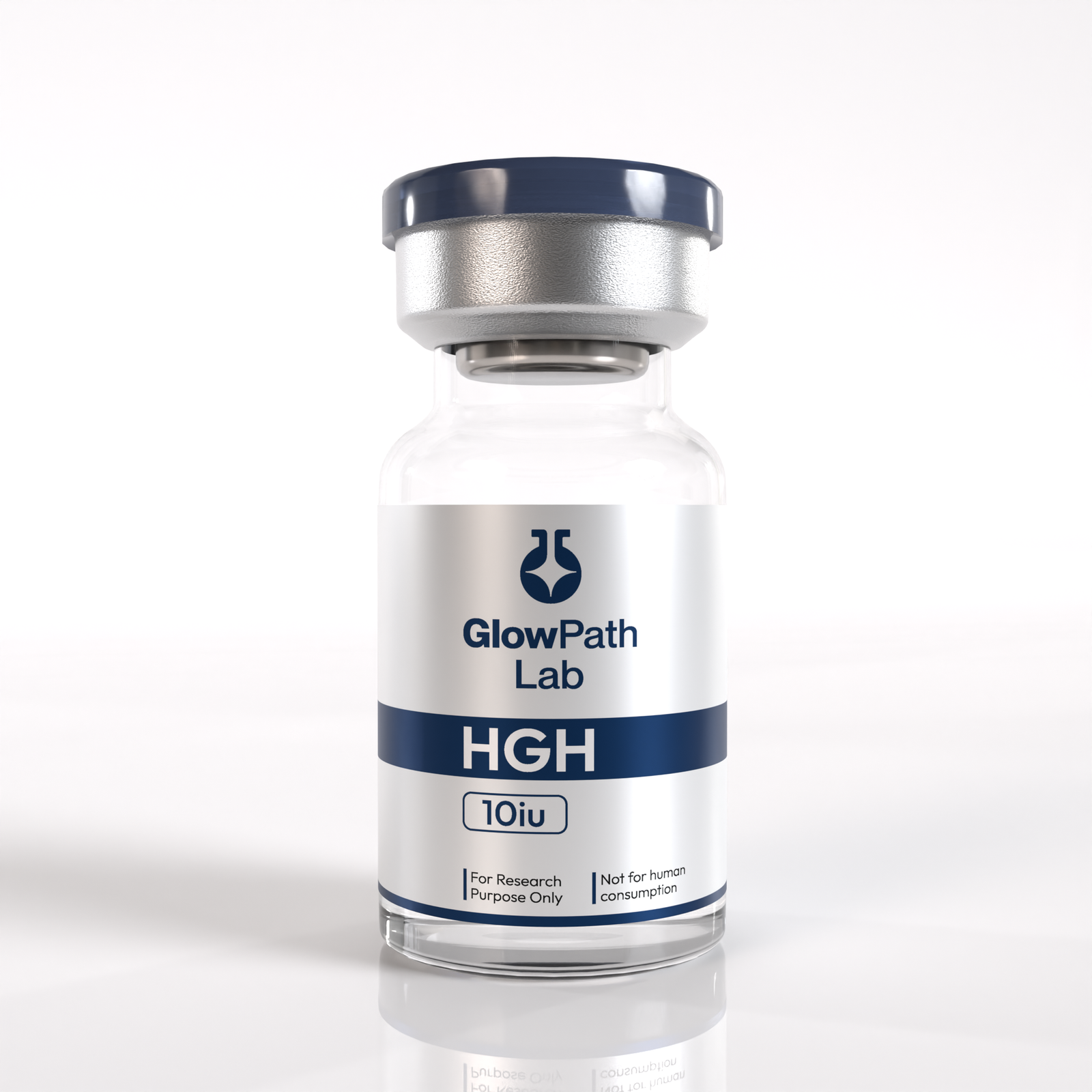
Human Growth Hormone (HGH) Research Overview
Human Growth Hormone (HGH), also known as somatropin, is a peptide hormone naturally produced in the pituitary gland of humans and animals. This peptide plays a crucial role in regulating growth, cell repair, and regeneration. In the context of scientific research, HGH is studied primarily for its potential applications in metabolic and regenerative biology.
Research Context
Research involving HGH has traditionally focused on its physiological roles, including the stimulation of growth in children with growth hormone deficiency and its effects on muscle and bone development. More recent investigations have expanded to explore its potential therapeutic mechanisms in conditions such as sarcopenia, aging-related muscle atrophy, and metabolic disorders. However, it is essential to emphasize that these studies are still in early phases and are conducted under highly controlled conditions to ensure safety and efficacy.
Research Overview
Human Growth Hormone (HGH) is a peptide consisting of 191 amino acids. It is secreted primarily by the anterior pituitary gland and acts on various tissues throughout the body, influencing growth, cell repair, and energy metabolism. In scientific research settings, HGH is often synthesized recombinantly to study its biological effects, molecular mechanisms, and potential therapeutic applications in disease models. This research includes the investigation of gene expression changes, metabolic pathways, and structural biology to better understand its physiological functions.
Key Research Focus Areas
- Metabolic Regulation: HGH influences lipolysis, glucose metabolism, and fat distribution, making it a subject of study in metabolic syndrome, obesity, and age-related metabolic decline.
- Muscle and Bone Regeneration: Research examines the role of HGH in promoting muscle protein synthesis and bone density, particularly in conditions such as sarcopenia and osteoporosis.
- Cellular and Molecular Biology: Studies focus on HGH signaling pathways, including the Insulin-like Growth Factor 1 (IGF-1) axis, to elucidate its role in tissue repair and regeneration.
- Age-Related Physiological Changes: Investigations explore how HGH levels decline with aging and their implications for longevity and functional decline.
- Synthetic and Recombinant Applications: Research includes the development and characterization of modified or recombinant HGH variants for potential therapeutic use.
Important Disclaimer
This product is intended solely for use in approved scientific research facilities and does not constitute a medical, therapeutic, or cosmetic product. HGH research must adhere to strict regulatory guidelines, including compliance with institutional review boards, animal welfare standards, and ethical protocols. The information provided here is for educational purposes only and does not substitute for professional scientific guidance. Consumption or use of this material for any purpose outside of approved research protocols is strictly prohibited.
For research use only. Not for human or animal consumption.
| Size | 10IU, 15IU |
|---|
Reviews
There are no reviews yet.