
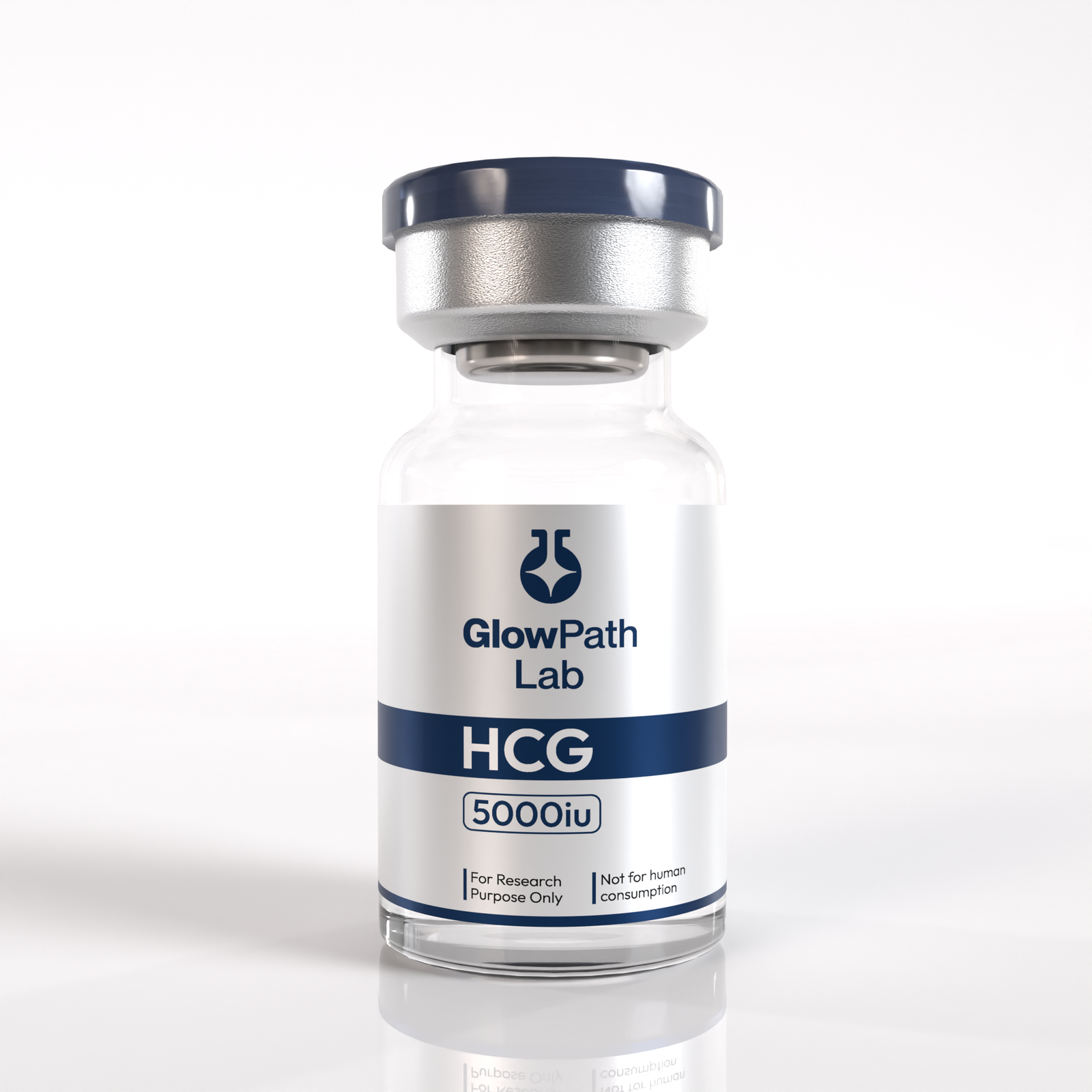
HCG for Research Applications
Human Chorionic Gonadotropin (HCG) is a peptide hormone naturally produced during pregnancy and in some non-pregnant individuals. In a research context, HCG is utilized for its role in studying reproductive biology, hormonal regulation, and its potential effects on cell signaling pathways. This peptide holds scientific interest due to its distinct biochemical properties and interactions with specific G-protein-coupled receptors.
Research Context
HCG is primarily known for its involvement in the development of the placenta and the maintenance of early pregnancy. In research settings, its study spans various disciplines, including endocrinology, reproductive medicine, and molecular biology. Researchers explore its mechanisms of action, including its ability to modulate luteinizing hormone (LH) receptor signaling and its effects on androgen production. Due to its complex interaction with the body’s hormonal system, HCG serves as a valuable tool for investigating reproductive physiology and hormonal homeostasis.
Research Overview
HCG research often focuses on understanding its molecular interactions and functional roles beyond pregnancy. Studies may include investigating the peptide’s potential in reproductive assays, examining its impact on endocrine functions, and exploring its application in vitro and in vivo models. Because HCG can be synthetically produced, it offers researchers a controlled method to study hormone dynamics and receptor-ligand interactions without the variability of natural hormonal fluctuations.
Key Research Focus Areas
- Reproductive Biology: HCG’s role in early pregnancy development, including its influence on trophoblast differentiation and placental formation.
- Endocrine Function: Analysis of HCG’s effects on steroidogenesis, particularly its impact on androgen and estrogen production via its interaction with the LH receptor.
- Receptor Signaling: Investigation of HCG’s mechanisms of action at G-protein-coupled receptors, including its ability to activate intracellular signaling cascades.
- In Vitro and In Vivo Models: Use of HCG in experimental settings to study hormonal regulation, reproductive assays, and potential therapeutic implications in research environments.
- Biochemical and Pharmacological Studies: Examination of HCG’s biochemical properties, stability, and potential applications in biochemical assays.
This product is intended solely for academic and scientific research purposes. Researchers must adhere to institutional guidelines and ethical standards when conducting experiments involving HCG.
For research use only. Not for human or animal consumption.
| Size | 10000IU, 5000IU |
|---|
Reviews
There are no reviews yet.